When people hear the words palliative care, they often get quiet. It sounds serious, and it is. But it does not mean what many people think it means.
Palliative care is not the same thing as hospice. It does not automatically mean treatment is ending, and it does not mean a doctor has given up. Palliative care is focused on helping a person live with as much comfort, clarity, and support as possible while facing a serious illness.
That distinction matters, especially for families who are already carrying fear, medical decisions, and a lot of uncertainty.
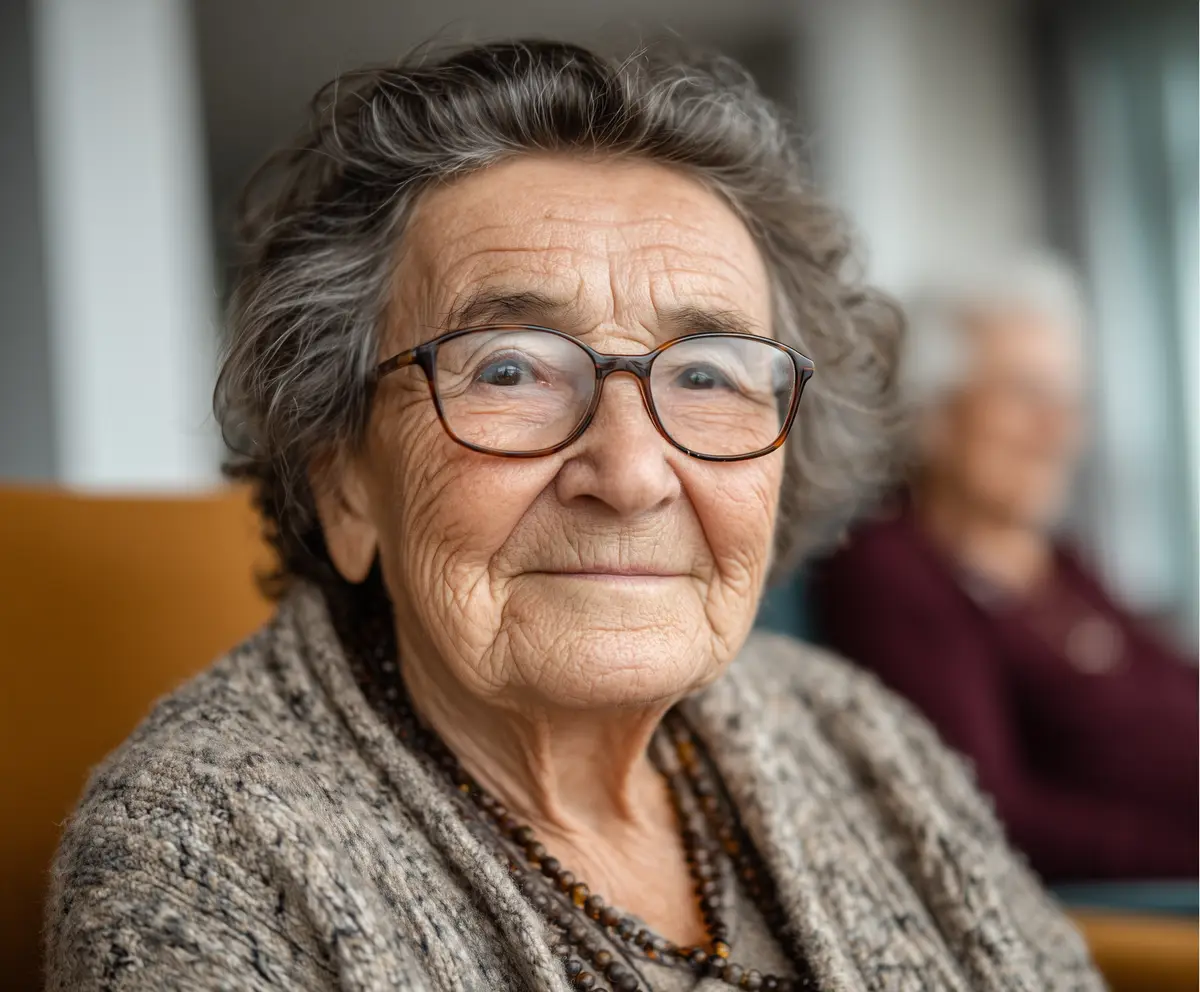
Palliative Care Is Support During Serious Illness
Hospice care is usually connected to the final season of life, when curative treatment is no longer being pursued. Palliative care can begin much earlier. In many cases, it can begin at diagnosis and continue alongside treatments such as chemotherapy, surgery, medication, or long-term disease management.
The heart of palliative care is quality of life. It asks: How is this illness affecting the whole person? How is the family holding up? What symptoms are making daily life harder than it needs to be?
That kind of care can be a tremendous mercy in the middle of a difficult road.
What a Palliative Care Team Helps With
A palliative care team may include doctors, nurses, social workers, chaplains, counselors, and other specialists. Their role is not to replace the main medical team. Their role is to add another layer of care.
They may help manage pain, nausea, fatigue, shortness of breath, sleep problems, or other symptoms that come with illness or treatment. They can also help families understand medical choices in plain language.
That alone can bring relief. Serious illness often comes with too many appointments, too many opinions, and too many decisions that feel too big for one tired family to carry.
It Can Also Support the Family
Illness does not affect only the person with the diagnosis. It reaches into the whole home. It changes schedules, conversations, finances, emotions, and family roles.
Palliative care can help caregivers and loved ones talk through what matters most, what kind of support is needed, and what decisions may be coming. It can create a little more steadiness when everything feels like it is changing.
As believers, we know the body matters, the heart matters, and the burdened family matters too. Palliative care, when available, can be one practical way to receive help in a season that is too heavy to carry alone.
A Gentler Way to Think About It
Palliative care is not about giving up. It is about not leaving a person to suffer quietly while everyone focuses only on the disease.
It is care for the whole person, not only attention to the disease that brought everyone here. It is steady support for the family walking the hard days alongside someone they love.
And for many people, it can make a difficult medical season feel less lonely and more manageable.